Certified Nursing Assistants (CNAs) form the backbone of the healthcare system. They provide essential support that directly affects patients' well-being and the efficiency of healthcare teams. Despite their critical role, CNAs often work behind the scenes, receiving less recognition than other healthcare professionals. This post highlights the vital contributions CNAs make every day, their responsibilities, and the growing demand for their skills in the healthcare industry.
The Daily Responsibilities of Certified Nursing Assistants
CNAs perform a wide range of tasks that are fundamental to patient care. Their duties often include:
- Assisting patients with activities of daily living such as bathing, dressing, eating, and toileting.
- Monitoring vital signs like blood pressure, temperature, and pulse.
- Helping patients move safely, including transferring them from beds to wheelchairs.
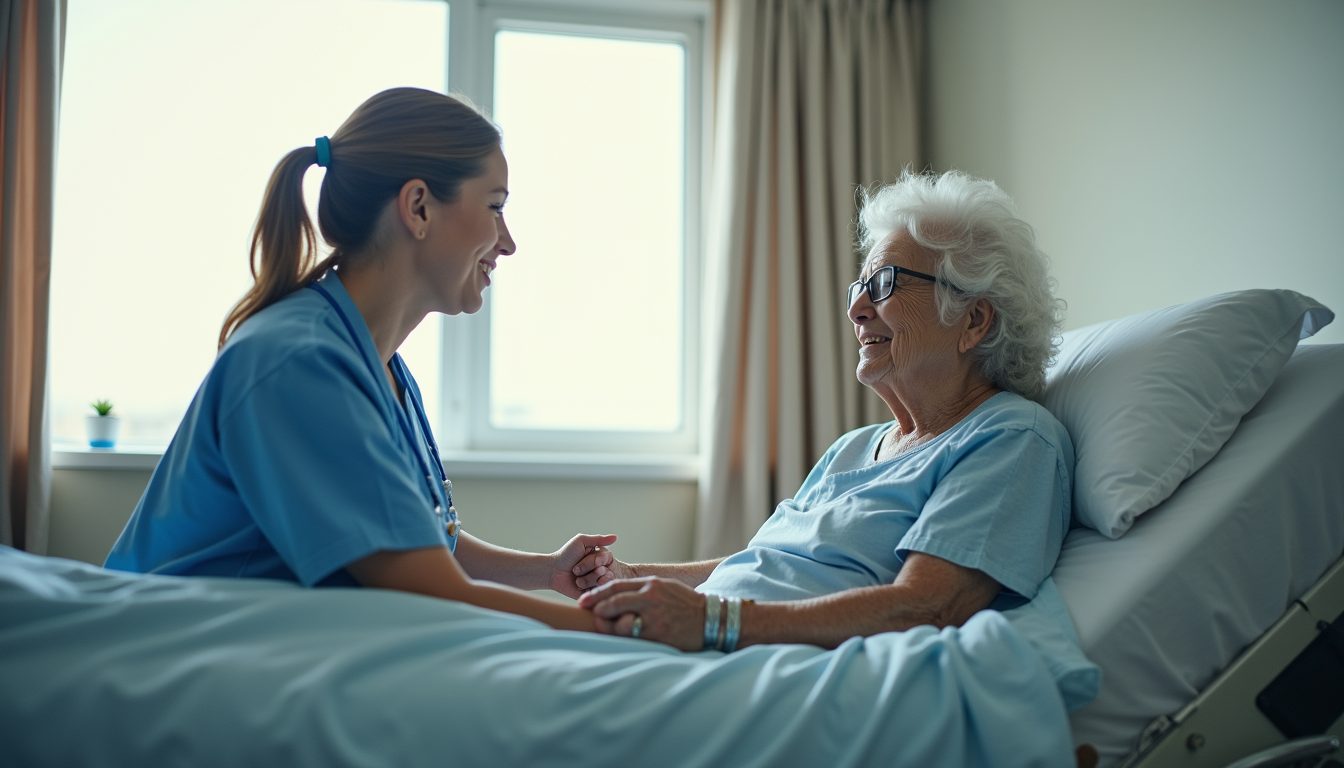
- Providing emotional support and companionship to patients.
- Reporting changes in patients’ conditions to nursing staff.
- Maintaining a clean and safe environment for patients.
These tasks require not only physical effort but also compassion and patience. CNAs often spend the most time with patients, building trust and understanding their needs better than anyone else on the care team.
Impact on Patients’ Quality of Life
The work of CNAs directly influences patients’ comfort and dignity. For many patients, especially the elderly or those with chronic illnesses, CNAs are the primary source of daily human interaction and care. This connection can improve mental health, reduce feelings of isolation, and promote faster recovery.
For example, a CNA helping a patient with mobility exercises can prevent complications like bedsores or muscle atrophy. Simple acts like assisting with meals ensure patients receive proper nutrition, which is crucial for healing. Emotional support from CNAs can ease anxiety and fear, making hospital stays less stressful.
Supporting the Healthcare Team
CNAs are essential members of the healthcare team. They provide nurses and doctors with critical information about patients’ conditions, enabling timely interventions. By handling routine care tasks, CNAs free up nurses to focus on more complex medical duties.
Their role requires strong communication skills and teamwork. CNAs often coordinate with multiple departments, ensuring patients receive comprehensive care. Their observations can alert the team to early signs of complications, improving patient outcomes.
Job Demand and Growth in the CNA Field
The demand for CNAs is rising rapidly. According to the U.S. Bureau of Labor Statistics, employment of nursing assistants is projected to grow 11% from 2022 to 2032, faster than the average for all occupations. This growth is driven by an aging population and increased need for long-term care services.
Healthcare facilities such as hospitals, nursing homes, and assisted living centers rely heavily on CNAs. The expanding elderly demographic means more patients require assistance with daily living activities, increasing job opportunities.
Challenges Faced by Certified Nursing Assistants
While CNAs play a crucial role, their work comes with challenges:
- Physically demanding tasks can lead to fatigue and injury.
- Emotional strain from caring for seriously ill or dying patients.
- Often lower wages compared to other healthcare professionals.
- High turnover rates due to stress and workload.
Addressing these challenges is essential to retain skilled CNAs and maintain quality patient care. Providing adequate training, support, and fair compensation can improve job satisfaction and performance.
How to Become a Certified Nursing Assistant
Becoming a CNA typically involves completing a state-approved training program and passing a certification exam. Training covers basic nursing skills, anatomy, infection control, and patient rights. Many programs take a few weeks to a few months, making it an accessible entry point into healthcare careers.
CNAs can advance their careers by gaining experience and pursuing further education, such as becoming licensed practical nurses (LPNs) or registered nurses (RNs).